
Exploring the World of Two-Seater Electric Bikes: A Practical Guide for Riders

Hey there, if you’re like me and love the idea of zipping around town without burning gas or breaking a sweat, two-seater electric bikes might just be your next obsession. These aren’t your average solo cruisers—they’re built for sharing the ride, whether it’s with a friend, a partner, or even a kid (safely, of course). Imagine cruising through city streets or light trails, chatting away while the motor does most of the work. In this article, I’ll dive into what makes these bikes tick, highlight some key features, compare a few popular models, and throw in a price chart to help you see where your budget fits. I’ve pulled this together from recent reviews and specs as of late 2025, so it’s fresh info.
What Makes a Two-Seater Electric Bike Stand Out?
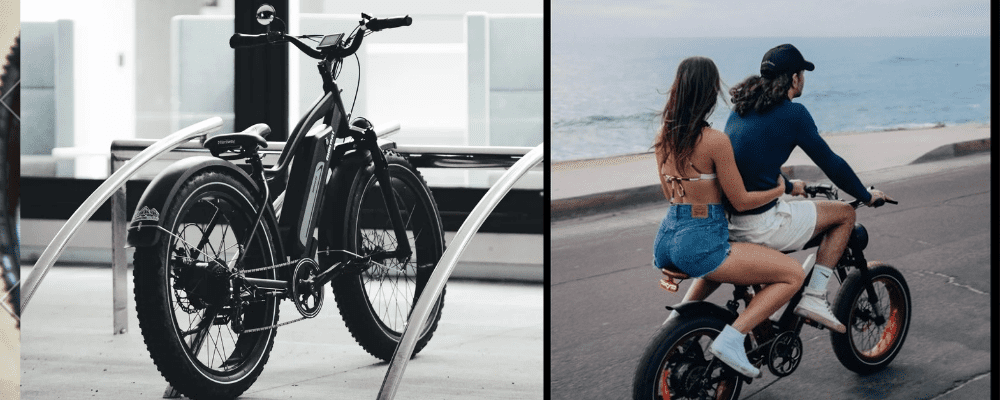
At their core, two-seater e-bikes are electric bicycles designed with an extended or padded rear seat, often including footrests, backrests, and sometimes even safety rails. They’re perfect for couples, families, or anyone who wants to carry a passenger without needing a full-on scooter or car. Most models come with fat tires for better stability on uneven surfaces, powerful motors to handle the extra weight, and batteries that promise decent range so you don’t get stranded mid-adventure.
Some standout features across the board include:
- Motor Power: Typically ranging from 750W to 1500W peak, these beasts can tackle hills and accelerate smoothly even with two people onboard.
- Battery Life and Range: Look for at least 48V batteries with 15Ah or more. Ranges vary from 30-70 miles on budget options to over 100 miles on premium ones, depending on terrain, weight, and riding mode (pedal-assist vs. throttle).
- Speed: Most top out at 28-32 MPH, which is plenty fast for urban or suburban use without feeling scary.
- Weight Capacity: Crucial for two riders—aim for 300-400 lbs total to keep things safe and stable.
- Suspension and Comfort: Full or front suspension absorbs bumps, and extras like hydraulic brakes ensure quick stops.
- Extras: Things like LCD displays, LED lights, cruise control, and foldable designs for easy storage make them user-friendly.
These bikes are eco-friendly, cost-effective (charging is way cheaper than gas), and a blast for errands, commutes, or weekend joyrides. Just remember to check local laws—some places have speed or power limits for e-bikes.
Comparing Popular Models: Which One Fits Your Needs?
To give you a real sense of options, I picked five solid two-seater models that have been getting buzz in 2025. They’re all capable of carrying a passenger comfortably, but they differ in power, range, and bells-and-whistles. I focused on budget to mid-range picks to keep it accessible. Here’s a quick comparison table:
| Model | Motor Power (Peak) | Battery & Range | Top Speed | Weight Capacity | Key Pros | Key Cons |
|---|---|---|---|---|---|---|
| Ridstar FM001 | 1500W | 48V 15Ah, 30-70 miles | 30 MPH | 330 lbs | Super affordable, strong on hills, vintage style with basket | Brakes might need tweaks, less plush seating |
| EUY City4.0 | 1500W | 48V 20Ah, up to 70 miles | 30 MPH | 330 lbs | Compact and powerful, great for city commutes, removable battery | Not fully foldable, a bit heavy |
| Luckeep C23 | 1400W | 48V 15Ah (720Wh), 65 miles | 28 MPH | 265 lbs | Foldable for storage, smart features like NFC unlock and cruise control | Lower capacity for heavier pairs, limited rear suspension |
| Fucare Libra | 750W (1200W peak) | 48V 20Ah, 45-80 miles | 32 MPH | 400 lbs | Full suspension for smooth rides, high capacity, UL-certified | Heavier overall, not foldable |
| ANIIOKI AQ177 PRO MAX | 1000W | 48V 60Ah, 100-200 miles | 30 MPH | 400 lbs | Insane range for long trips, dual suspension, inverter for charging devices | Pricier, bulky for storage |
From what I’ve seen, if you’re on a tight budget and just want something fun for short jaunts, the Ridstar FM001 is a steal—it’s punchy for the price and has that retro vibe. For longer hauls or rougher paths, the ANIIOKI stands out with its massive battery, though it costs more. The Fucare Libra hits a sweet spot for comfort and reliability, especially if you’re carrying heavier loads. The Luckeep is ideal if you need something portable, like for apartment living, and the EUY shines in urban settings with its balance of power and ease.
Price Breakdown: Visualizing the Costs
Prices fluctuate with sales, but based on current listings, here’s how they stack up. I’ve included a simple bar chart below to make it easy to compare—cheaper models sacrifice some range or features, while pricier ones offer more endurance and comfort.
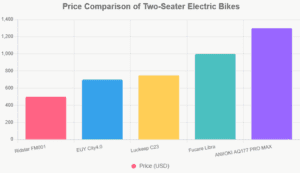
As you can see, you can snag a decent two-seater for under $500 if you’re okay with basics, but bumping up to $700-1000 gets you better range and build quality. Always check for deals on sites like Amazon or the manufacturers’ pages, as sales are common.
Wrapping It Up: Is a Two-Seater E-Bike Right for You?
Two-seater electric bikes are a game-changer for anyone tired of solo rides or needing a practical way to transport a plus-one. They’re versatile, fun, and way more affordable to run than cars. If you’re starting out, I’d recommend test-riding a few if possible—comfort is key. Whichever model you go for, prioritize safety gear like helmets and follow traffic rules. Happy riding, and who knows, maybe you’ll spot me out there on one of these bad boys! If you’ve got questions or experiences to share, drop them in the comments.